
9 Neurodivergent-Affirming Tips for Celebrating the New Year
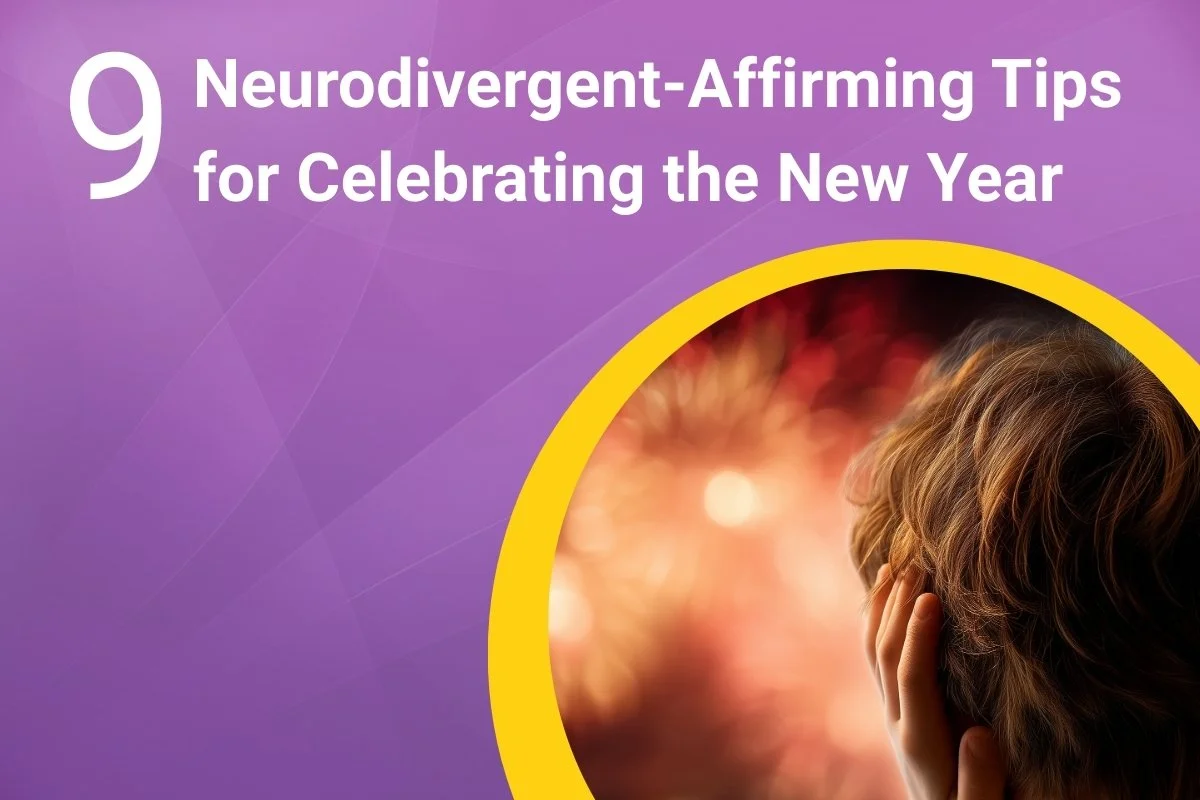
The holiday season is often painted as a time of universal joy, sparkling lights, and boisterous parties. But for many families, especially those with neurodivergent kids or family members, the transition from December 31st to January 1st can feel less like a celebration and more like a sensory minefield.
If you or your child navigates the world with neurodivergence—whether that includes Autism, ADHD, anxiety, or sensory processing differences—the standard New Year's Eve traditions can be incredibly overwhelming. The pressure to stay up late, the sudden explosions of fireworks, and the disruption of comforting routines can lead to meltdowns, shutdowns, or severe anxiety.
But here’s the good news: There is no "right" way to celebrate the New Year. You don't need a party hat or a noisemaker to mark the new year meaningfully. In fact, creating a sensory friendly holiday celebration that honors your loved one's needs is often the most memorable way to ring in the new year.
Below, we explore why this holiday can be difficult and offer nine neurodivergent-affirming tips to help you create a celebration that feels safe, happy, and inclusive for everyone.
Why New Year’s Eve Can Be Difficult for Neurodivergent People
Before diving into solutions, it is helpful to understand the specific hurdles neurodivergent individuals face during this holiday.
Sensory Overload: The defining feature of New Year's Eve is often noise. Fireworks and other loud noises, popping champagne corks, and cheering crowds can be physically painful for those with sensory sensitivities.
Disrupted Routines: Neurodivergent children and adults often thrive on predictability. New Year's Eve demands the opposite: staying up past bedtime, eating at odd hours, and navigating unstructured social time.
Social Pressure: Lots of company or new people in the home can drain your social battery quickly. The expectation to be "on," make small talk, and participate in group activities like loud countdowns can cause significant social anxiety and discomfort for neurodivergent people.
By recognizing these stressors, we can build sensory-friendly traditions and ring in the new year in a way that works for everyone!
9 Ways to Create a Neurodivergent-Affirming Celebration
Here are nine alternative ways to celebrate or strategies to implement that can make the night smoother and more enjoyable.
1. Create a Quiet Space or Calming Corner
If you are hosting or attending a gathering, dedicating a specific area as a "low-sensory zone" is essential. This isn't a timeout corner; it is a safe place to decompress and unmask.
Stock this space with comforting items and sensory friendly activities like coloring, drawing, or reading. Think about lighting—use soft lamps instead of harsh overheads. Having a physical space where your loved one can retreat when the environment becomes too intense gives them a sense of control and safety. They can rejoin the party when they are ready, or they can choose to ring in the new year from the comfort of a beanbag chair.
2. Build a Sensory Toolkit
Preparation is key to managing sensory sensitivities. Provide sensory items like headphones and fidgets to help your neurodivergent loved one manage overstimulation with noise and other stimuli.
Noise-canceling headphones are a game-changer for blocking out the sound of fireworks or loud music. Fidget spinners, stress balls, or textured items can provide grounding input during moments of high energy or anxiety. By having these tools readily available, you are validating their needs and empowering them to self-regulate.
3. Rethink the Menu
Food can be a major source of stress during the holidays. Fancy appetizers or unfamiliar party foods might not be appealing to someone with specific texture or taste preferences.
One way to help your neurodivergent loved ones this New Years Eve is to think about your food and have options that work for everyone. There is no rule against having chicken nuggets, mac and cheese, or a specific brand of crackers at a New Year’s party. Including "safe foods" ensures that your neurodivergent loved one isn't celebrating on an empty stomach, which can cause more emotional dysregulation. A fed nervous system is a happier nervous system.
4. Set Clear Expectations
Anxiety often stems from the unknown. Set clear expectations of what your neurodivergent loved one can expect throughout the evening.
You can do this by creating a loose schedule or visual timeline. For example:
7:00 PM: Pizza and games
8:00 PM: Craft time
9:00 PM: Movie
12:00am: Ball Drop
Have a conversation about what they can expect and discuss strategies to use if unexpected things happen. For instance, "If the neighbors start fireworks early and it scares you, we can go into the calming space in your room and put on our headphones." Knowing there is a plan B reduces the cognitive load.
5. Consider Alternatives to Fireworks
For many, fireworks are the hardest part of the holiday. The unpredictability and volume are a recipe for sensory overload.
If your neurodivergent loved one is sensitive to sound and lights, consider alternatives to fireworks that provide visual stimulation without the auditory assault. Think about using alternatives like watching fireworks displays on TV (where you can control the volume), using sparklers (which are quieter and predictable), bubble wands, or glow sticks.
Glow-in-the-dark dance parties or flashlight tag can be just as festive as fireworks, offering a fun way to "light up the night" without the boom.
6. Create Your Own Ball Drop
Waiting until midnight can be grueling, and the televised ball drop is often chaotic. Why not bring the tradition home in a hands-on way?
Create your own ball drop. This could be a fun arts and crafts activity allowing your child to be engaged with the celebration. You can use materials like cardboard, construction paper, glitter, and ribbons to create a custom ball.
You can then "drop" it at a time that works for your family—maybe 8:00 PM or 9:00 PM—allowing everyone to get to bed at a reasonable hour, or wait until 12:00am if that works. This gives the child ownership over the celebration and turns a passive event into an active, creative one.
7. Be Mindful of the Countdown
The final ten seconds of the year are traditionally screamed at the top of everyone's lungs. For a child with auditory sensitivity, this can be terrifying.
Be mindful of noise while doing a countdown. Consider a less loud way of counting down the new year. You could use a visual timer that changes colors, hold up numbered cards, or whisper the countdown together. You might even do a "silent cheer" with jazz hands or waving glow sticks when the clock strikes the hour. It keeps the excitement high but the volume low. If this isn’t feasible, be sure anyone with sound sensitivities has their headphones handy!
8. Manage the Guest List
If you are hosting, be mindful of guests and setting expectations of who they will be interacting with in advance.
Large groups of strangers can be daunting. Letting your loved one know exactly who is coming ("Grandma, Uncle Joe, and your cousin Sam") helps them mentally prepare. You can also advocate for your family by letting guests know in advance that you are hosting a sensory friendly holiday celebration.
9. Opt for a Calm Night In
Sometimes, the most neurodivergent-affirming choice is to opt out of the standard party scene entirely.
Consider choosing for a calm night in if your loved one doesn’t do well with loud party celebrations. There can be lots of joy to be found in a pajama party with blankets, a favorite movie marathon, and hot cocoa. Removing the pressure to "go out" or "host" can result in a much more authentic and relaxed bonding experience for the family. It also teaches your child that honoring their own boundaries is more important than conforming to social expectations.
Involve Your Loved Ones in the Planning
Perhaps the most important tip of all is to give agency to the neurodivergent person in your life.
Involve your loved ones in the planning. Ask your neurodivergent loved one how they would feel most comfortable celebrating the holiday. Do not assume that they want to skip the fireworks or that they want to go to bed early.
When doing this, always enter the conversation with curiosity, and an open, neurodivergent-affirming mindset. Ask questions like, "What does a fun New Year's look like to you?" or "Is there anything about the holiday that worries you?" You might be surprised by their creativity and insight.
Bonus Tip: Trust Your Gut
You know your family best. Trust your gut. If something about your holiday celebration preparation makes you concerned about your neurodivergent loved one, trust that instinct and have conversations. It is okay to leave a party early. It is okay to say no to an invitation. Prioritizing your family's mental health and well-being is the best way to start the new year.
Conclusion
The transition into a new year is a time for reflection and hope. While the holidays can be a difficult time for neurodivergent people, there are ways that you can make them easier, and fun in an inclusive way.
By adjusting our expectations, preparing our environments, and listening to the needs of our loved ones, we can create traditions that celebrate who we are as we are.
Connect With Us
If you are neurodivergent or have a neurodivergent loved one who is looking to work on learning social skills, managing anxiety and/or depression, we are here to support you.
Reach out to our office manager to schedule an intake or free consultation at (770) 726-9624. Our team of licensed counselors specialize in working with neurodivergent people both in individual counseling, and group work.
Happy New Year from the Inneractions Therapy Services team!